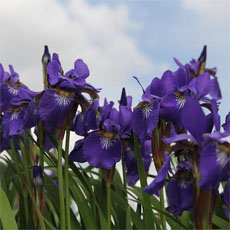
Tall Bearded Iris 'Distant Chimes'

Iris

Family
Iridaceae (eye-rid-AY-see-ee)
Genus
Iris (EYE-ris)
Synonym
Spacing
36-48 in. (90-120 cm)
Hardiness
15-18 in. (38-45 cm)
Sun Exposure
USDA Zone 3a: to -39.9 °C (-40 °F)
USDA Zone 3b: to -37.2 °C (-35 °F)
USDA Zone 4a: to -34.4 °C (-30 °F)
USDA Zone 4b: to -31.6 °C (-25 °F)
USDA Zone 5a: to -28.8 °C (-20 °F)
USDA Zone 5b: to -26.1 °C (-15 °F)
USDA Zone 6a: to -23.3 °C (-10 °F)
USDA Zone 6b: to -20.5 °C (-5 °F)
USDA Zone 7a: to -17.7 °C (0 °F)
USDA Zone 7b: to -14.9 °C (5 °F)
USDA Zone 8a: to -12.2 °C (10 °F)
USDA Zone 8b: to -9.4 °C (15 °F)
Danger
Full Sun
Bloom Color
Parts of plant are poisonous if ingested
Foliage
Lavender
Cream/Tan
Class
N/A: plant does not set seed, flowers are sterile, or plants will not come true from seed
Bloom Time
Other Details
Other details
Propagation Methods
Herbaceous
Seed Collecting
Soil pH requirements
By dividing rhizomes, tubers, corms or bulbs (including offsets)
Patent Information
Awards (if applicable)
Foliage Color
Bloom Characteristics
Water Requirements
Where to Grow
Regional

This plant is said to grow outdoors in the following regions:

Fargo, North Dakota

Featured Videos

Gardener's Notes:

1
positive
0
neutral
0
negative
Sort By:
Sort By:
M
M
Fargo, ND | June 2004 | positive

This plant gives me many blooms, has never missed a year. It has an unusual form, with the falls curving back on themselves. I can't sa...Read More

Featured
Unequal Cellophane Bee
(Colletes inaequalis)
Red-winged Parrot
(Aprosmictus erythropterus)
Featured
Unequal Cellophane Bee
(Colletes inaequalis)
Red-winged Parrot
(Aprosmictus erythropterus)