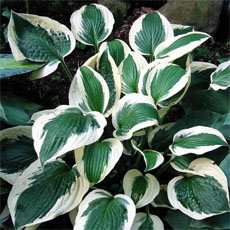
The last two photos are of this species, as identified by a long time (40 year+) fern grower and judger, here in Southern California. Th...Read Moree latter photo is a 'cultivar' of the former species... and I do admit, it sure looks a lot different to me, too. I would never know they were the same species... but ferns are identified and systematically organized by their spore, hair/scale anatomy, reproductive patterns, and DNA... looks, it seems, has the least to do with fern taxonomy.
Native to tropical Asia, sometimes sold as Microlepia speluncae. Despite lacy appearance it is a strong grower and will take drie...Read Morer soil than most ferns.
Sept 2003: This fern has grown tremendously in two different beds. One is watered regularly, one is watered only occasionally; both are close to the same size -- already approaching a 3' size. New foliage is light green in color and fronds gradually turn a darker green as they mature, giving it an attractive two-tone appearance. This fern has proved much hardier in low water, half-day morning sun conditions than other ferns I've tried. Shape is graceful and spreading. Highly recommended.





Native to Japan, Sri Lanka, Polynesia, and Hawaii.
Commonly found in nurseries locally. This fern grows well here in zone 9b.
The last two photos are of this species, as identified by a long time (40 year+) fern grower and judger, here in Southern California. Th...Read More
I see photos of 3 different ferns. 2 look nothing like this species.
Native to tropical Asia, sometimes sold as Microlepia speluncae. Despite lacy appearance it is a strong grower and will take drie...Read More