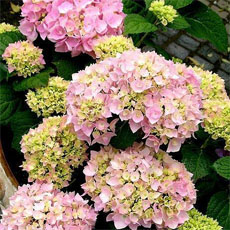
Viburnum, Doublefile Viburnum, Japanese Snowball Bush 'Kern's Pink'

Viburnumplicatum var. tomentosum

Family
Adoxaceae (a-dox-AY-see-ee)
Genus
Viburnum (vy-BUR-num)
Synonym
Viburnum plicatum f. tomentosum
Viburnum tomentosum
Sun Exposure
Light Shade
Foliage
Deciduous
Height
8-10 ft. (2.4-3 m)
Spacing
15-20 ft. (4.7-6 m)
Hardiness
USDA Zone 5a: to -28.8 °C (-20 °F)
USDA Zone 5b: to -26.1 °C (-15 °F)
USDA Zone 6a: to -23.3 °C (-10 °F)
USDA Zone 6b: to -20.5 °C (-5 °F)
USDA Zone 7a: to -17.7 °C (0 °F)
USDA Zone 7b: to -14.9 °C (5 °F)
USDA Zone 8a: to -12.2 °C (10 °F)
USDA Zone 8b: to -9.4 °C (15 °F)
USDA Zone 9a: to -6.6 °C (20 °F)
USDA Zone 9b: to -3.8 °C (25 °F)
Danger
Parts of plant are poisonous if ingested
Bloom Color
Pale Pink
Bloom Time
Mid Spring
Other Details
Category
Shrubs
Water Requirements
Average Water Needs; Water regularly; do not overwater
Foliage Color
Where to Grow
Bloom Characteristics
This plant is attractive to bees, butterflies and/or birds
Bloom Size
Other details
Soil pH requirements
5.6 to 6.0 (acidic)
6.1 to 6.5 (mildly acidic)
6.6 to 7.5 (neutral)
Patent Information
Non-patented
Propagation Methods
From softwood cuttings
From semi-hardwood cuttings
Seed Collecting
N/A: plant does not set seed, flowers are sterile, or plants will not come true from seed
Regional

This plant is said to grow outdoors in the following regions:

Clermont, Kentucky

Lexington, Kentucky

Louisville, Kentucky

Vancouver, Washington

Featured Videos

Gardener's Notes:

1
positive
1
neutral
0
negative
Sort By:
Sort By:
R
Lexington, MA (Zone 6a) | February 2012 | neutral

According to Mike Dirr's book , Carl Kern Cincinnati Ohio introduced it around 1953, though some sources say 1957. It is probably the sa...Read More

J
Vancouver, WA (Zone 8b) | September 2006 | positive

I grow 3 of these shrubs and the one that is pruned into a standard gets everyones attention every year. The blooms just seem to float ...Read More

Featured
Imperial Moth
(Eacles imperialis)
Common Nighthawk
(Chordeiles minor)
Featured
Imperial Moth
(Eacles imperialis)
Common Nighthawk
(Chordeiles minor)