Gardeners in North America either love bittersweet vines or hate them. Bittersweet plants can kill trees and are difficult to eradicate f...Read Morerom your landscape. But during the fall season bittersweet vines put on a display few other plants can rival. To grow bittersweet vines or not to grow bittersweet vines: truly a bittersweet decision for landscapers.
This plant has many names, here are a few...Bittersweet, Bittersweet Herb, Bittersweet Stems, Bittersweet Twigs, Blue Nightshade, Felonwort, Fever Twig, Garden Nightshade, Nightshade, Nightshade Vine, Scarlet Berry, Staff Vine, Violet Bloom, Woody, Woody Nightshade, and Climbing Nightshade.
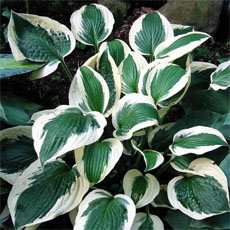
The Variegated form of this plant is very pretty. This plant is an unusually vigorous easy striking vine packed with puckered leaves widely margined with bright white; blue-violet potato like fl clusters become variegated berries ripening to red, then darker. Handsome deciduous vine scarce in commerce. This plant is hardy to Zone 4, & it can also be grown as a houseplant. As a general rule, the variegated forms of most plants are far less vigorous than their green counterpart. This can easily be accounted for by the lack of chlorophyll in the variegated sections of the leaf. Many variegates lack enough chlorophyll to live once they are severed from the mother plant. Research has found that many variegated plants also tend to suffer more insect damage on the variegated parts of the foliage than in the green areas, obviously due to the weaker tissue. This is certainly not true on all variegated plants, but varies tremendously from plant to plant.
A plant introduced into the U.S. from Europe, called "bittersweet nightshade" (Solanum dulcamara). The berries of this plant undergo an interesting color transformation during their growing season. Beginning as a green berry, they change first to yellow, then to orange, and finally to red. Making the plant even more colorful is the fact that not all the berries reach these color stages at the same time. Consequently, it is not uncommon to see a bittersweet nightshade plant bearing berries of three different colors. The berry of this true bittersweet is poisonous. Not that I'd recommend that the novice ingest false bittersweet berries.
An excellent vine. Bittersweet grows rapidly and easily. After flowering, it forms berries that change from green to yellow to orange to...Read More a ripe red but not all at the same time so it is possible to have all four colours at the same time. All parts of the plant are poisonous and the ripe berries can be tempting to children, though they taste awful, so plant with caution.
In magickal traditions, the leaves are to be placed under the pillow to forget a lost love.
Gardeners in North America either love bittersweet vines or hate them. Bittersweet plants can kill trees and are difficult to eradicate f...Read More
An excellent vine. Bittersweet grows rapidly and easily. After flowering, it forms berries that change from green to yellow to orange to...Read More