Deer River, MN (Zone 3b) | October 2005 | positive
Very few tall beardeds (TBs) can survive my growing conditions. This northern MN zone 3b climate inflicts severe, extended cold during th...Read Moree winter months, often with little snow cover for insulation. The summer growing season is short with temps that sometimes exceed 90 degrees F. My soil is very heavy, compacted clay with a slightly acid pH, though I grow my irises in well-amended, raised beds or windrows with improved friability and drainage. A large local deer population frequently tramples and sometimes grazes on my irises in early spring and late fall. Iris borers are present but managed successfully with a granular systemic grub control product. Weeds are abundant and only occasionally beaten back by an admittedly lazy gardener (yours truly). Fertilization is inconsistent, when provided at all. Most TBs here are growing with less than 6 hrs of direct sun per day, so growth and bloom are not what they could be under full sun conditions. I have lost hundreds of weaker TB cultivars over the years, so the few that have managed to survive are worthy of high praise ... particularly those that have survived one or more "killer" winters with frigid temps and virtually no insulating snow cover.
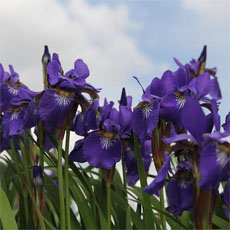
AUTUMN BUGLER is reliably my first TB bloomer every year. In each bed into which I plant it, it starts the TB bloom season like clockwork. Yes it's just another medium purple iris flower without much ruffling or any lace or space age appendages, but it performs every single year regardless of the rigors of winter/deer/borers/rot. And it's known to rebloom in most climates warmer than mine. This is one tough, dependable iris. Increase is average. I highly recommend this cultivar.





Very few tall beardeds (TBs) can survive my growing conditions. This northern MN zone 3b climate inflicts severe, extended cold during th...Read More