ARTICLES
Resources
Guides
Community
Sign Up
Log in
ARTICLES
Resources
Guides
Community
Plant Files
Bug Files
Bird Files
Freeze/Frost Dates
Garden Watchdog
USDA Hardiness Zone Map
PlantScout
TradeTracker
Forums
Plant & Seed Trading
Member List
Contests
GoGardening
Articles
Home
/
Guides
/
Plant Files
/
Convolvulaceae
Japanese Morning Glory 'Furisode'
Ipomoeanil
Upload Image
Print Article
Upload Image
Print Article
Family
Convolvulaceae
(kon-volv-yoo-LAY-see-ee)
Info
Genus
Ipomoea
(ip-oh-MEE-a)
Info
Species
nil
(nil)
Info
Synonym
Sun Exposure
Full Sun
Sun to Partial Shade
Light Shade
Foliage
Good Fall Color
Succulent
Height
Unknown - Tell us
Spacing
3-6 in. (7-15 cm)
6-9 in. (15-22 cm)
9-12 in. (22-30 cm)
Hardiness
Not Applicable
Danger
Seed is poisonous if ingested
Parts of plant are poisonous if ingested
All parts of plant are poisonous if ingested
Bloom Color
Pink
White/Near White
Bloom Time
Mid Spring
Late Spring/Early Summer
Mid Summer
Late Summer/Early Fall
Mid Fall
Other Details
Category
Annuals
Vines and Climbers
Water Requirements
Average Water Needs; Water regularly; do not overwater
Foliage Color
Unknown - Tell us
Where to Grow
Can be grown as an annual
Bloom Characteristics
This plant is attractive to bees, butterflies and/or birds
Bloom Size
Unknown - Tell us
Other details
May be a noxious weed or
invasive
Soil pH requirements
6.1 to 6.5 (mildly acidic)
6.6 to 7.5 (neutral)
7.6 to 7.8 (mildly alkaline)
Patent Information
Unknown - Tell us
Propagation Methods
From seed; direct sow outdoors in fall
From seed; winter sow in vented containers, coldframe or unheated greenhouse
Direct sow as soon as the ground can be worked
From seed; sow indoors before last frost
From seed; direct sow after last frost
From seed; germinate in a damp paper towel
From seed; germinate in vitro in gelatin, agar or other medium
Scarify seed before sowing
Self-sows freely; deadhead if you do not want volunteer seedlings next season
Seed Collecting
Allow pods to dry on plant; break open to collect seeds
Allow seedheads to dry on plants; remove and collect seeds
Properly cleaned, seed can be successfully stored
Regional
This plant is said to grow outdoors in the following regions:
Franklin, Wisconsin
View this plant in a garden
5 members have or want this plant for trade
Featured Videos
Gardener's Notes:
Post Comment
0
positive
0
neutral
0
negative
Sort By:
>
Most Recent
Negative
Positive
Neutral
Post Comment
Sort By:
>
Most Recent
Negative
Positive
Neutral
See All
Popular Plants
SEE ALL
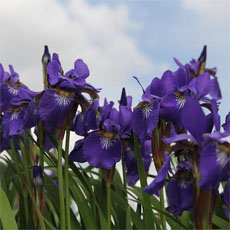
Iris
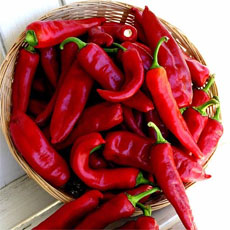
Peppers
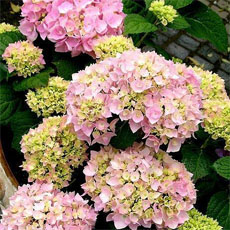
Hydrangeas
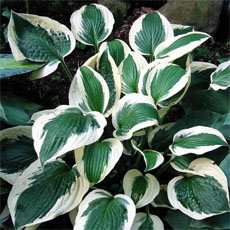
Hostas
Contribute to Dave’s Garden
Add a New Plant to the List
Featured
BUG FILES
Part-marked Tuft-moth
(Nola semograpta)
BIRD FILES
Eastern Kingbird
(Tyrannus tyrannus)
Quick Links
View All Families
View All Genera
View All Species
Freeze/Frost Dates
PlantFiles FAQ
Plants with no Photos
Contribute to Dave’s Garden
Add a New Plant to the List
Featured
BUG FILES
Part-marked Tuft-moth
(Nola semograpta)
BIRD FILES
Eastern Kingbird
(Tyrannus tyrannus)
bottomAd
TOP
TOP